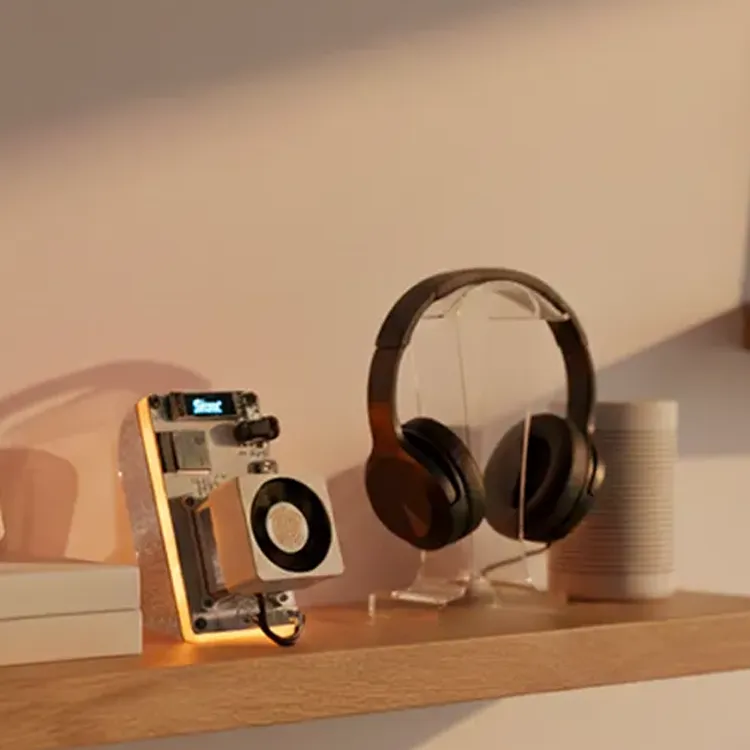
Bitaxe is one of the most exciting developments in home Bitcoin mining because it’s open source. The hardware design and firmware are intended to be visible, auditable, reproducible, and improveable by anyone.
This isn’t “open source” as a marketing label — it’s open source as a system of trust:
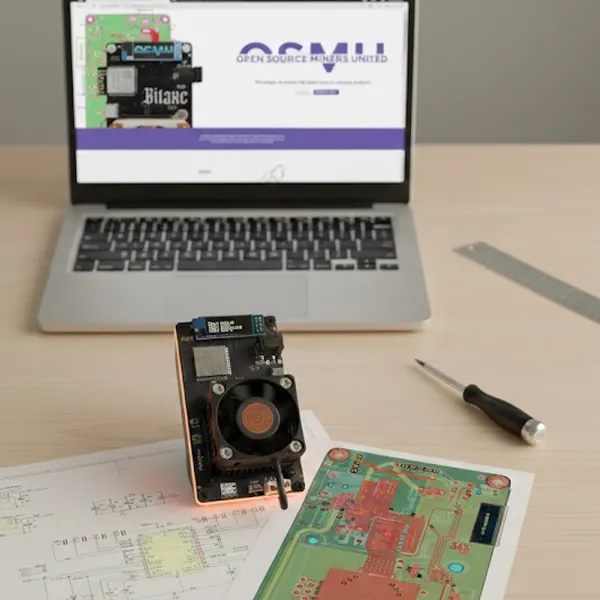
Right now, we’re seeing a wave of very cheap “Bitaxe” units being pushed into the market.
They often look the part. The price is tempting.
But many of these sellers do not publish their hardware and software sources, even though the spirit (and in many cases the licensing obligations) of open source is that if you distribute modified versions, you share the corresponding sources so the community can inspect and build on the work.
When sources aren’t published:
That’s how open ecosystems get drained. They become a one-way street: community work goes out, value comes back to nobody.
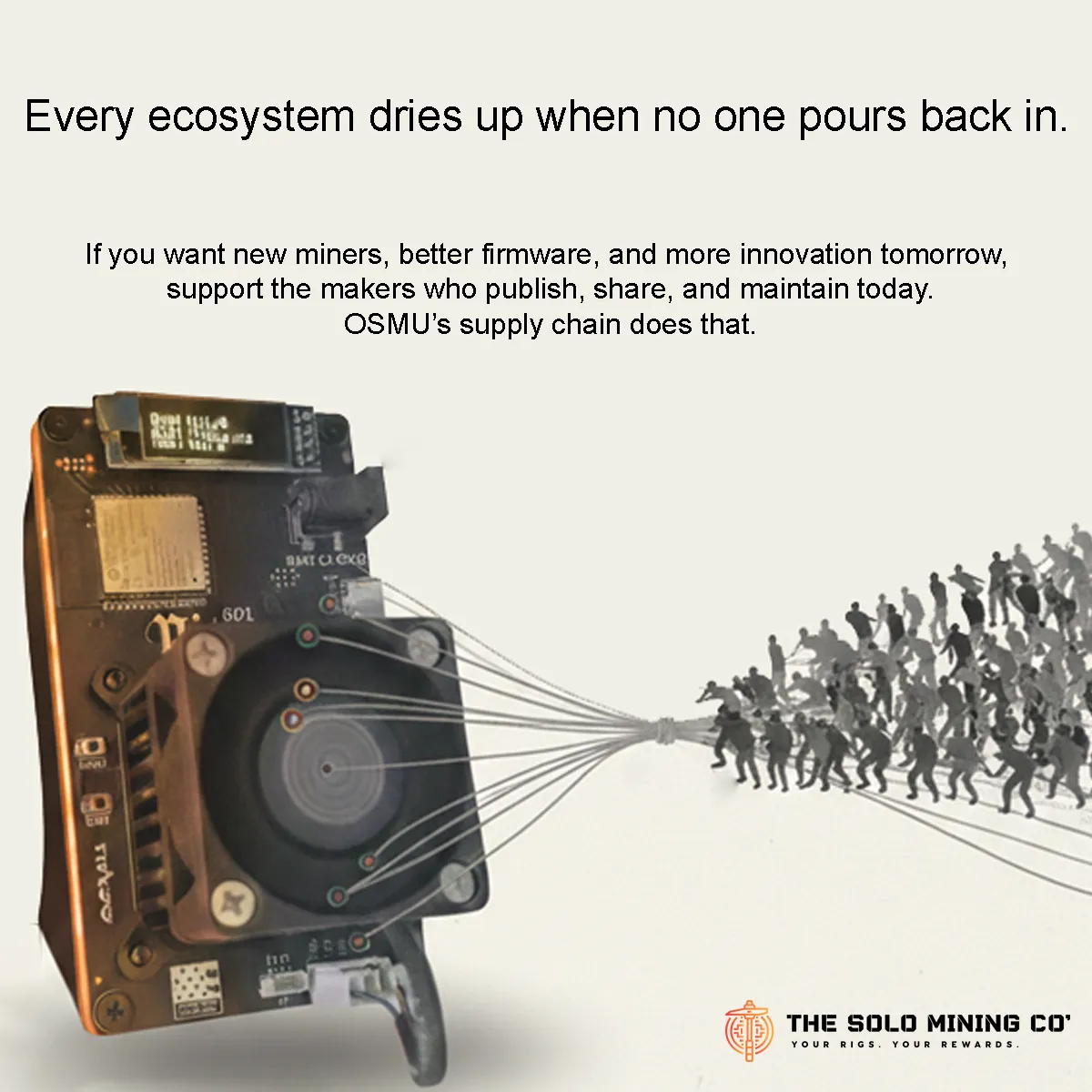
I personally spend more money buying Bitaxes from the suppliers who operate in line with the open source ethos – namely publishing their sources (hardware and software) for two reasons:
Open source projects don’t sustain themselves on vibes. They sustain themselves because real people contribute time, expertise, testing, documentation, and iteration.
Buying through the supply chain of suppliers who work in the spirit of open source and release all of their source material helps ensure money goes back into the same ecosystem that keeps open mining projects alive and moving forward.
Open source is valuable because it enables verification.
Buying from a validated supply chain means everyone knows exactly what the units are built on, because the sources are published and freely available. It’s transparent. Reproducible. Auditable.
That matters — because when you’re buying a network-connected device, you want to know what you’re running.
If you’re shopping around, here’s a quick way to protect yourself:
The cheapest Bitaxe isn’t always the best value — especially if it undermines the very ecosystem that made Bitaxe exist in the first place.
All Bitaxes I supply have been sourced through the OSMU supply chain carry OSMU‘s branded mark.
It’s a simple mark, but it’s meaningful: it signals that the unit is connected to the open ecosystem — not a closed clone pipeline.
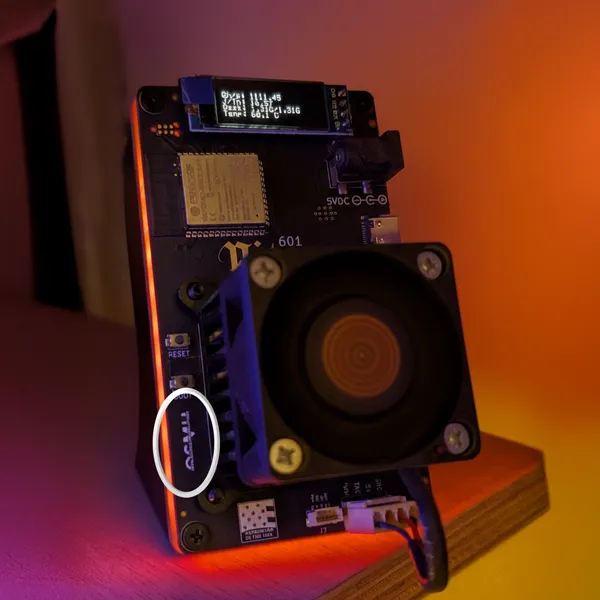
If you want to understand what OSMU is doing — and why it matters — start here:
https://osmu.wiki/osmu/about/
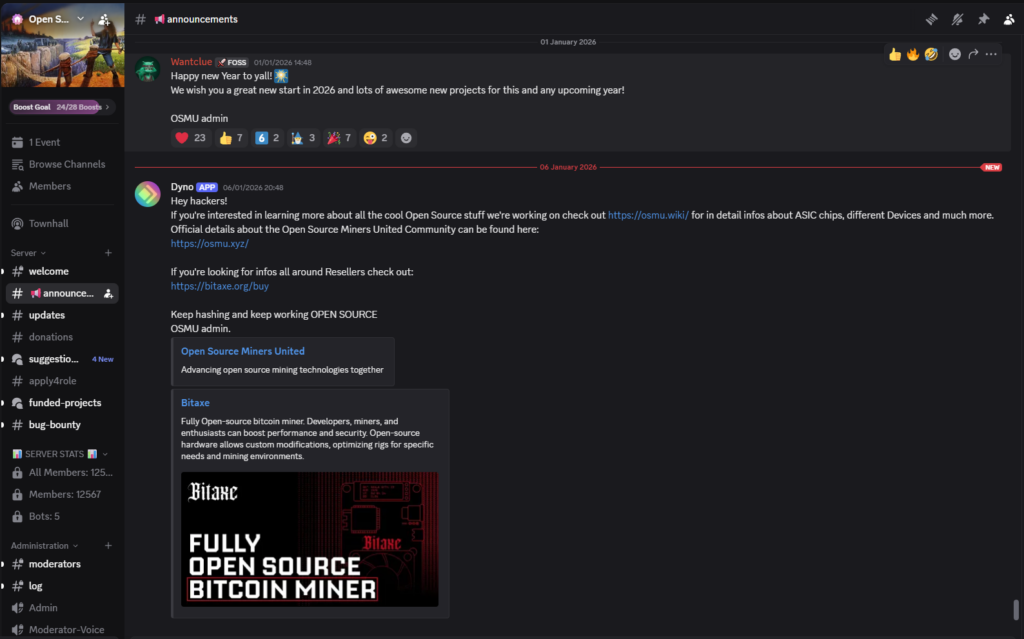
And if you want to get closer to the builders, contributors, devs, and the wider open mining community, join the OSMU Discord:
https://discord.gg/osmu
Yes, you can buy a cheaper clone from China.
But if you care about open source, decentralization, and the ability for regular people to run real mining hardware at home — buying through the open source supply chain is the choice that aligns with those values.
That’s why I sell what I sell.
I may not be the cheapest but at least you know what you’re getting.